Background
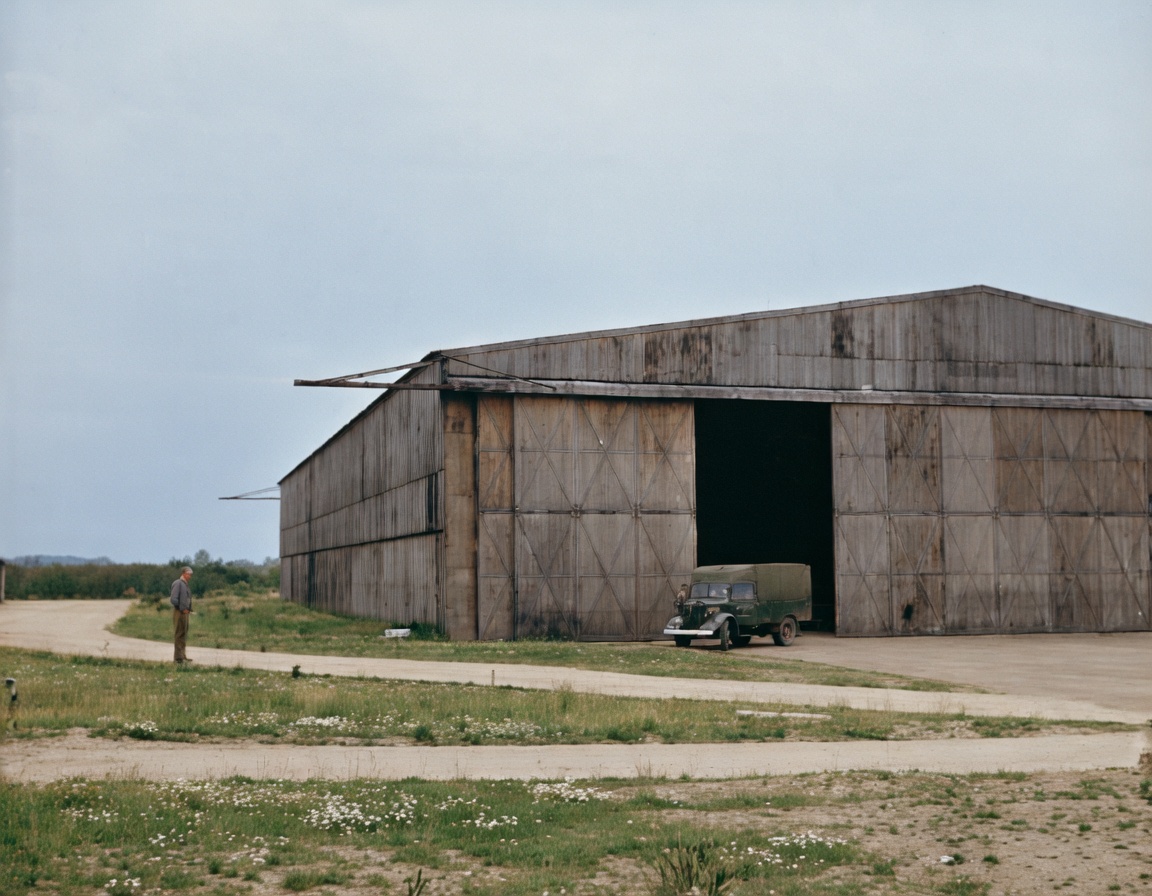
The T2 Hangar was the ultimate evolution of a Structure designed for the maintenance of RAF aircraft during the second world war. Conceived as a cheap, quick (and originally) temporary structure,they proved to be far more resilient than their designers envisaged. The Air Ministry in collaboration with Teesside Bridge & Engineering Ltd, started the design in 1940, despite the urgency needed, they were a very advanced design and by the end of the Second World War, over nine hundred were constructed, today only around a dozen survive, and few of those in their original locations.
The Romney Hut was the larger sibling of the more famous Nissen Hut, whilst the Nissen hut was an exceptional design, with the rapid expansion of airfields and army bases across the country,
a larger building was needed to give more flexibility and space. Designed at Romney House,
London by the Directorate of Fortifications & Works they were to supersede the Nissen hut, by size, material and durability. They served as hospitals, training centres, accommodation sites for soldiers, airfields, and support detachments such as workshops, offices, and even chapels.
Romney huts are a common feature of most military installations, and were mass produced and prefabricated by the Ministry of Works. However, the survival of these large huts is rare as the majority of them were dismantled by the Ministry of Defence at the end of the Second World War.
History
RAF Boreham holds an incredibly special place in the rich history of our county as well as in the annals of continuing Anglo-American relations.
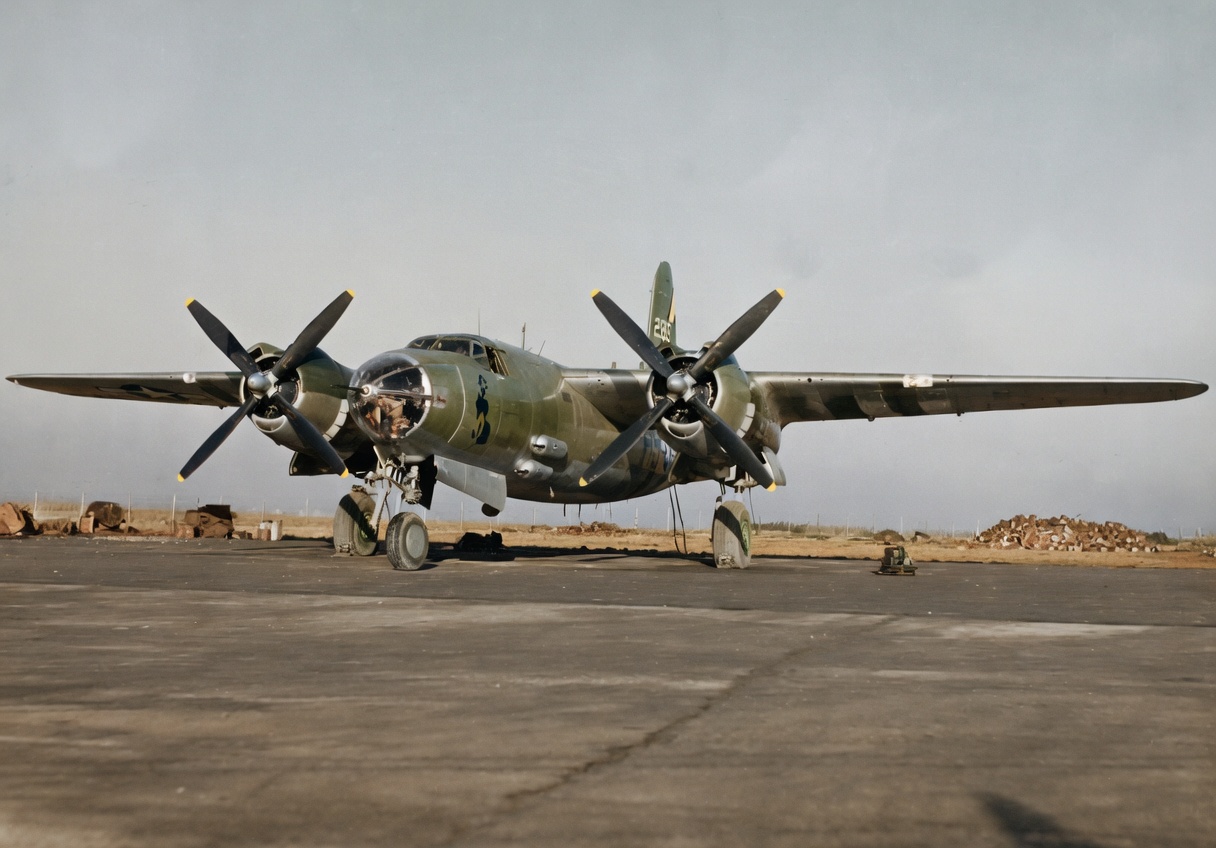
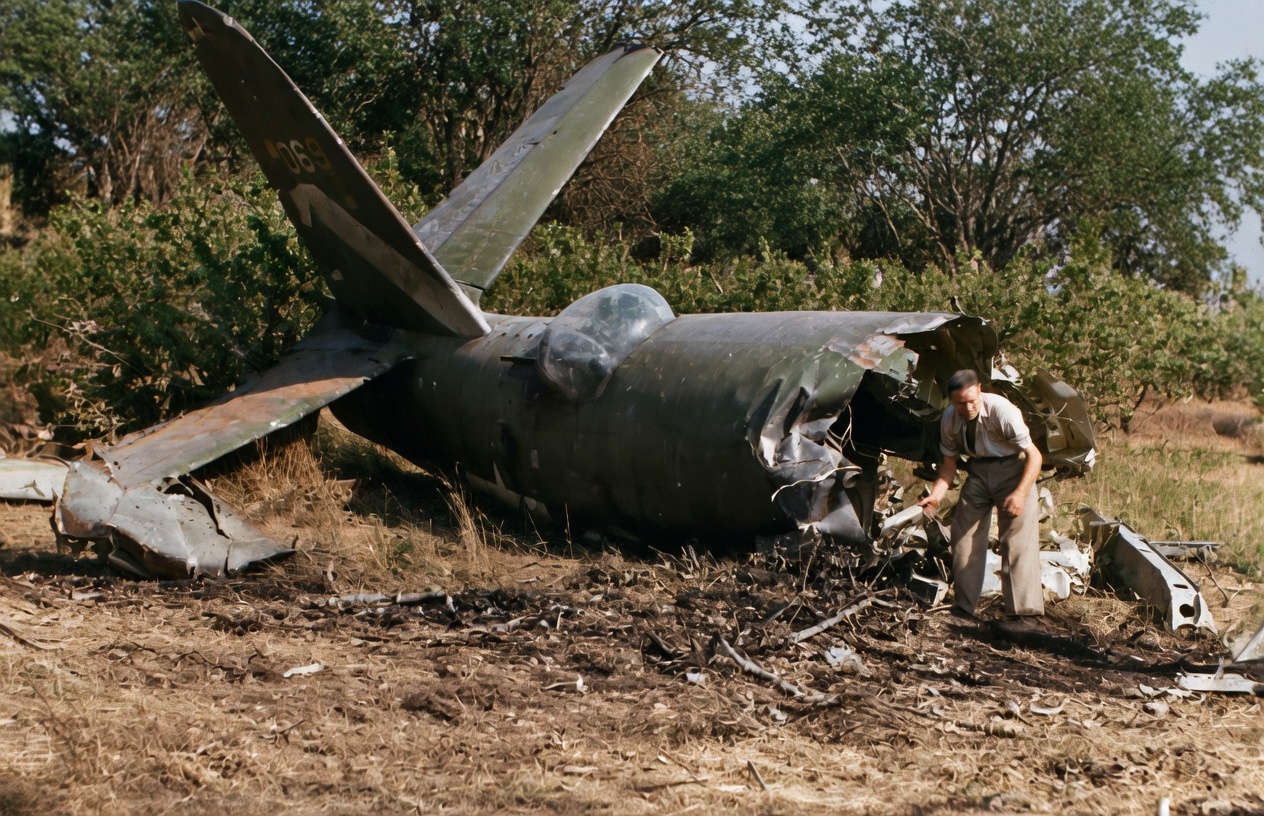
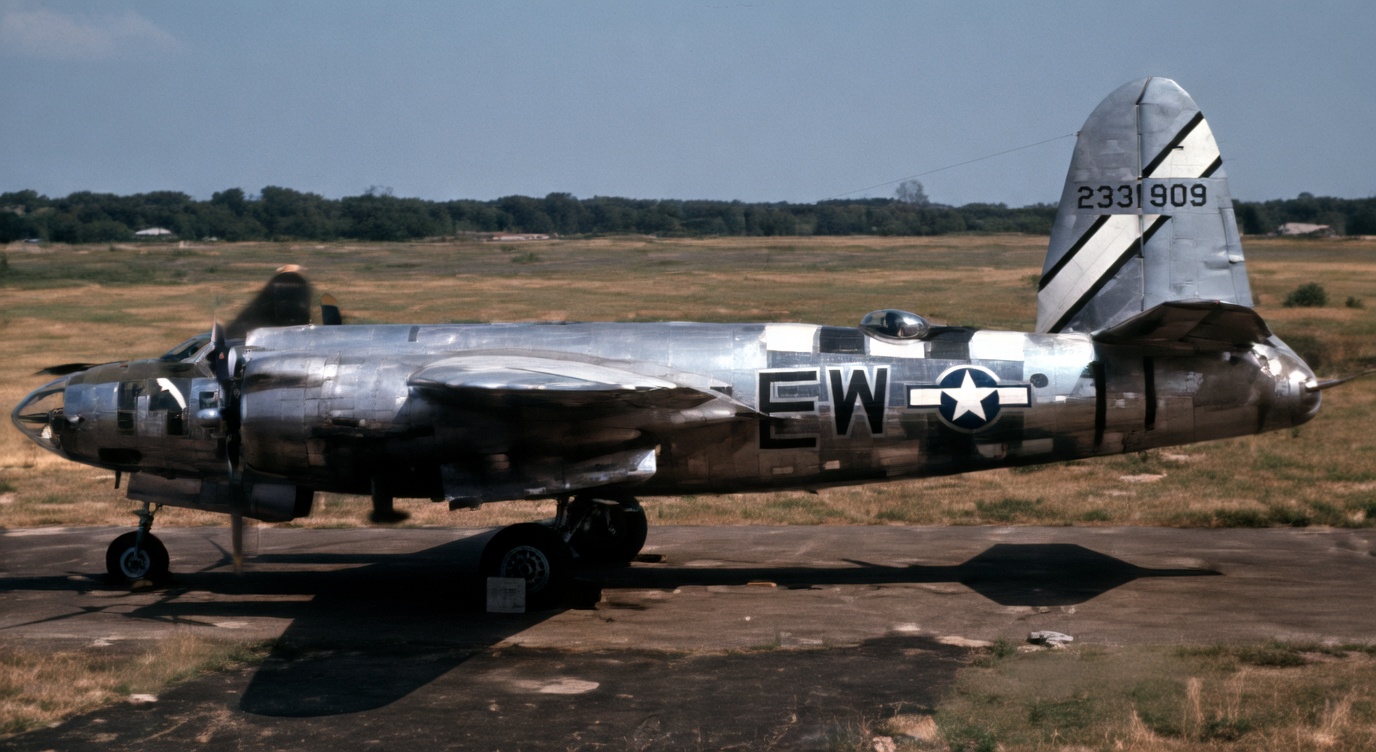
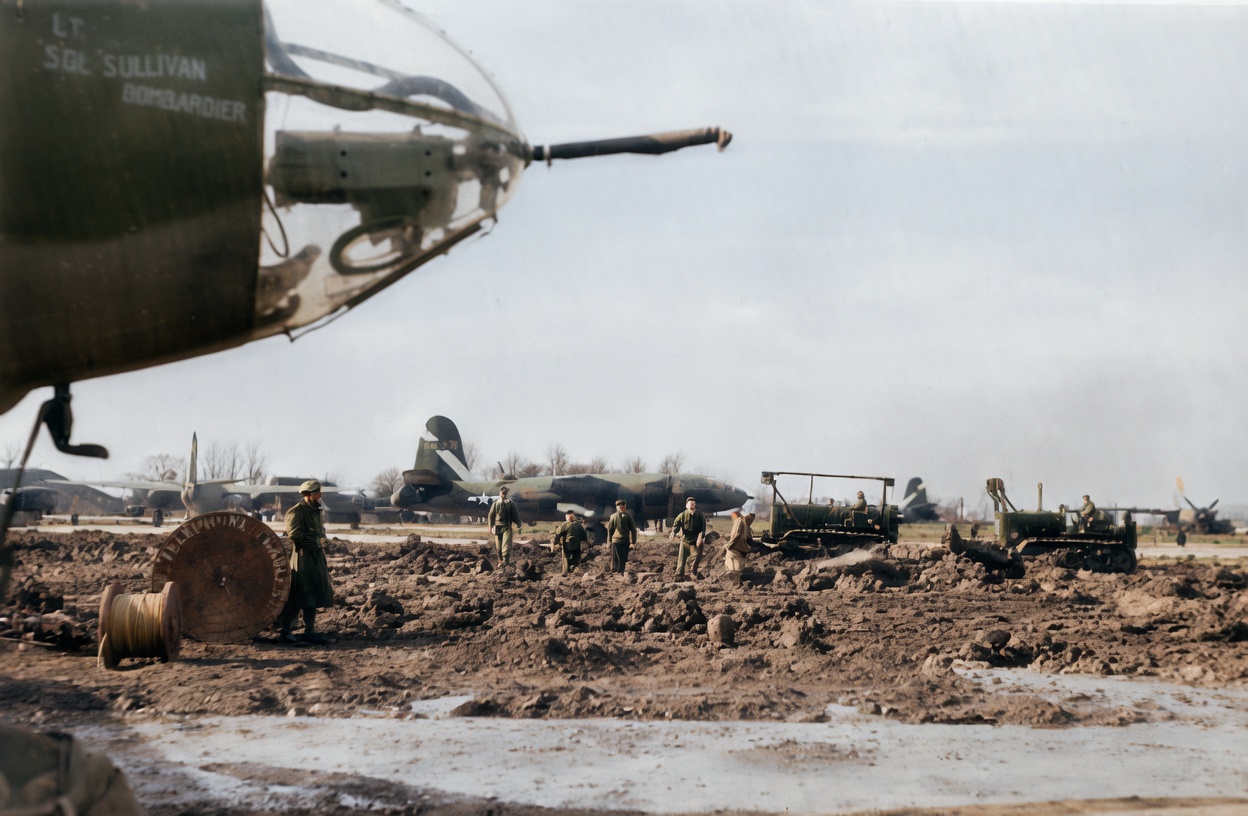
Sadly, most of the physical evidence of the existence of RAF Boreham has disappeared, lost to the ravages of time and “progress.” From this unique location, key missions were flown by the USAAF 394th Bombardment Group deep into occupied Europe. Their brave “bridge busting” operations undoubtedly played a key part in overcoming the tyranny that was then threatening the world.
As, of course, did the 315th Troop Carrier Group, who took off from Boreham as part of Operation Varsity.
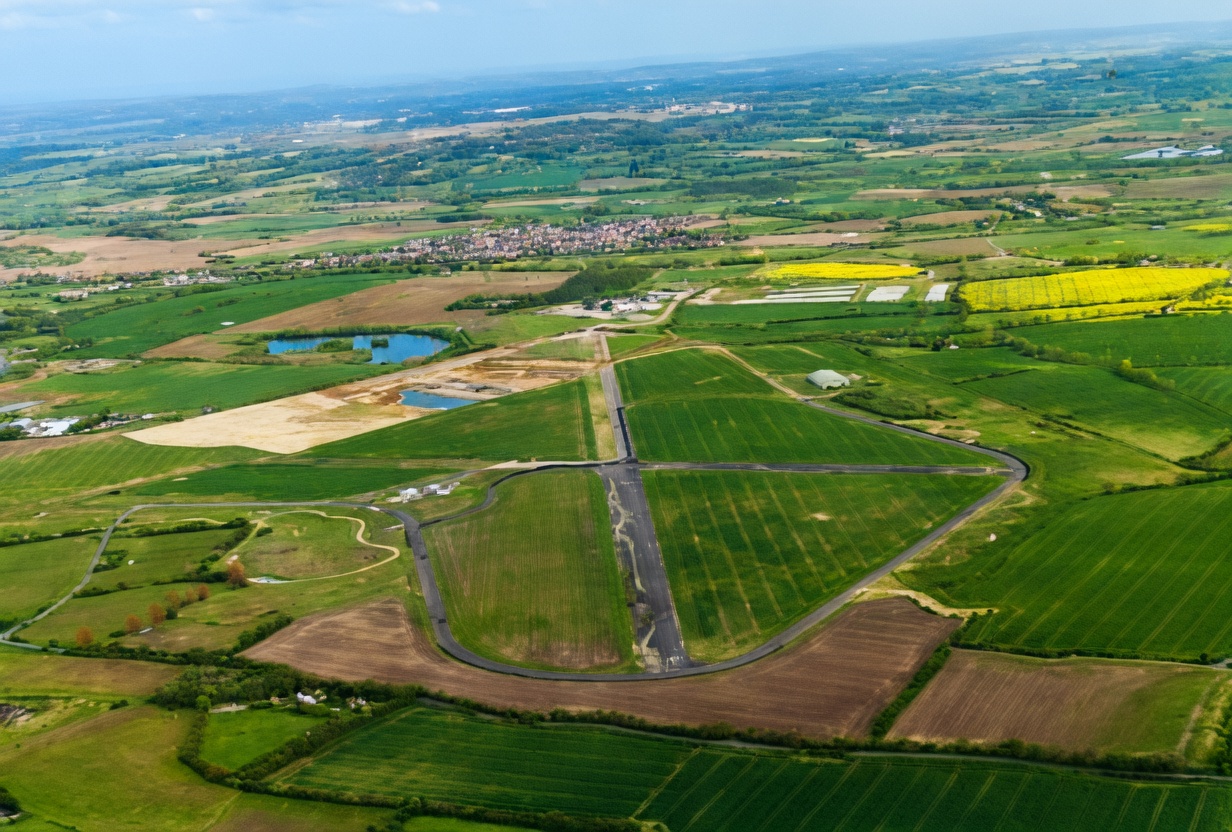
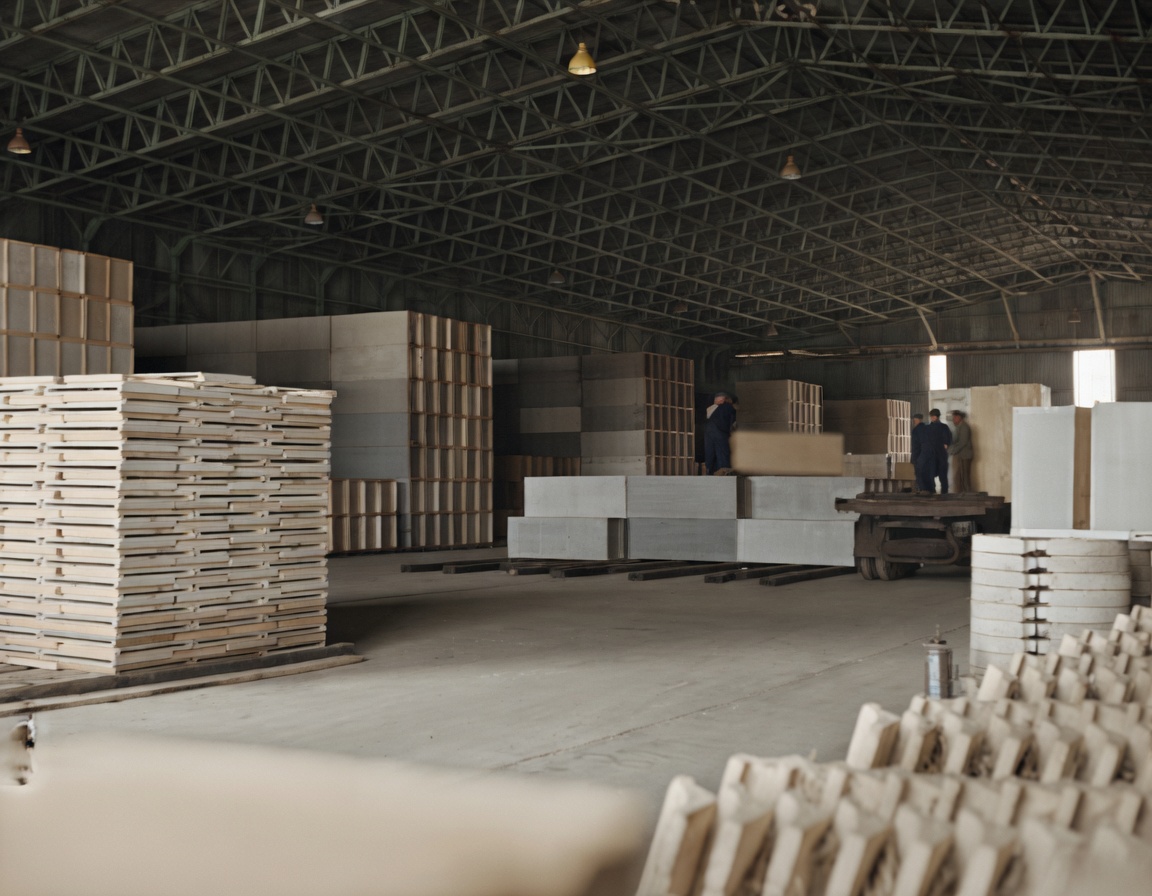
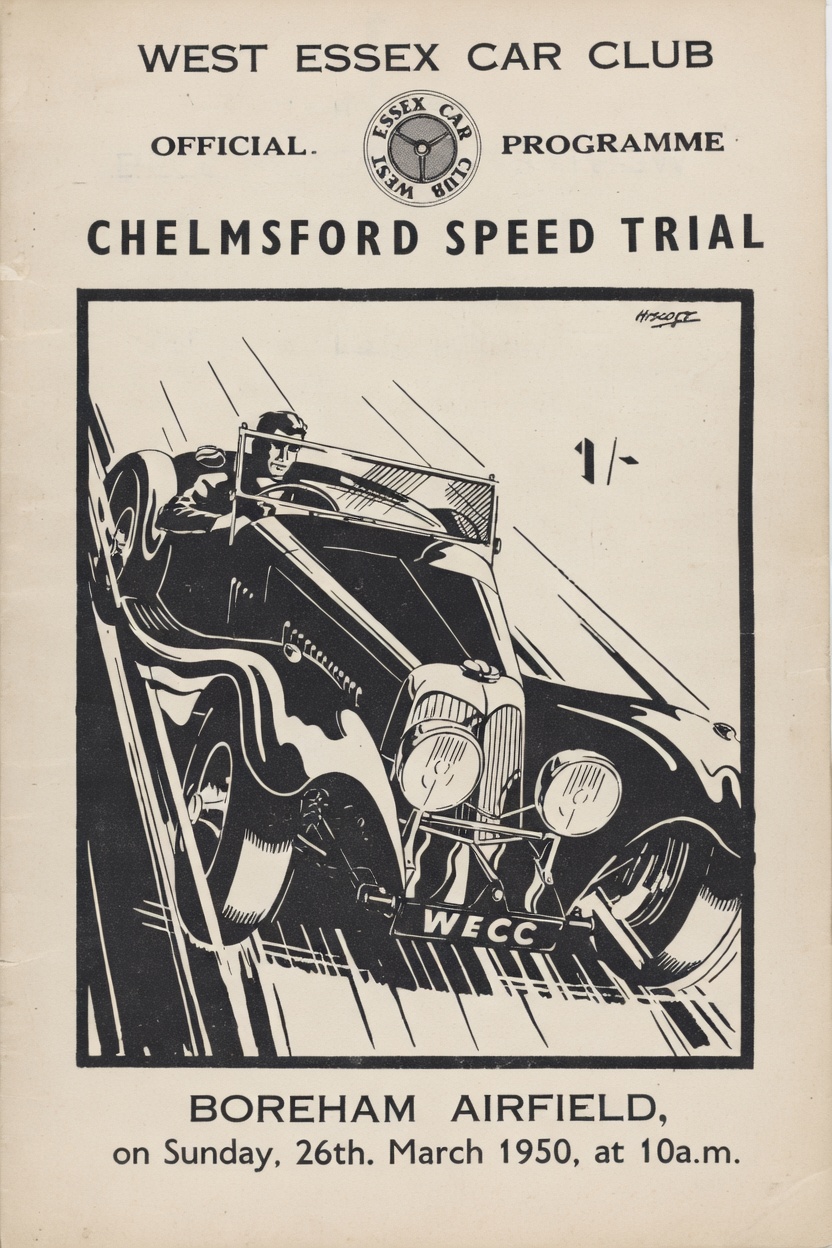
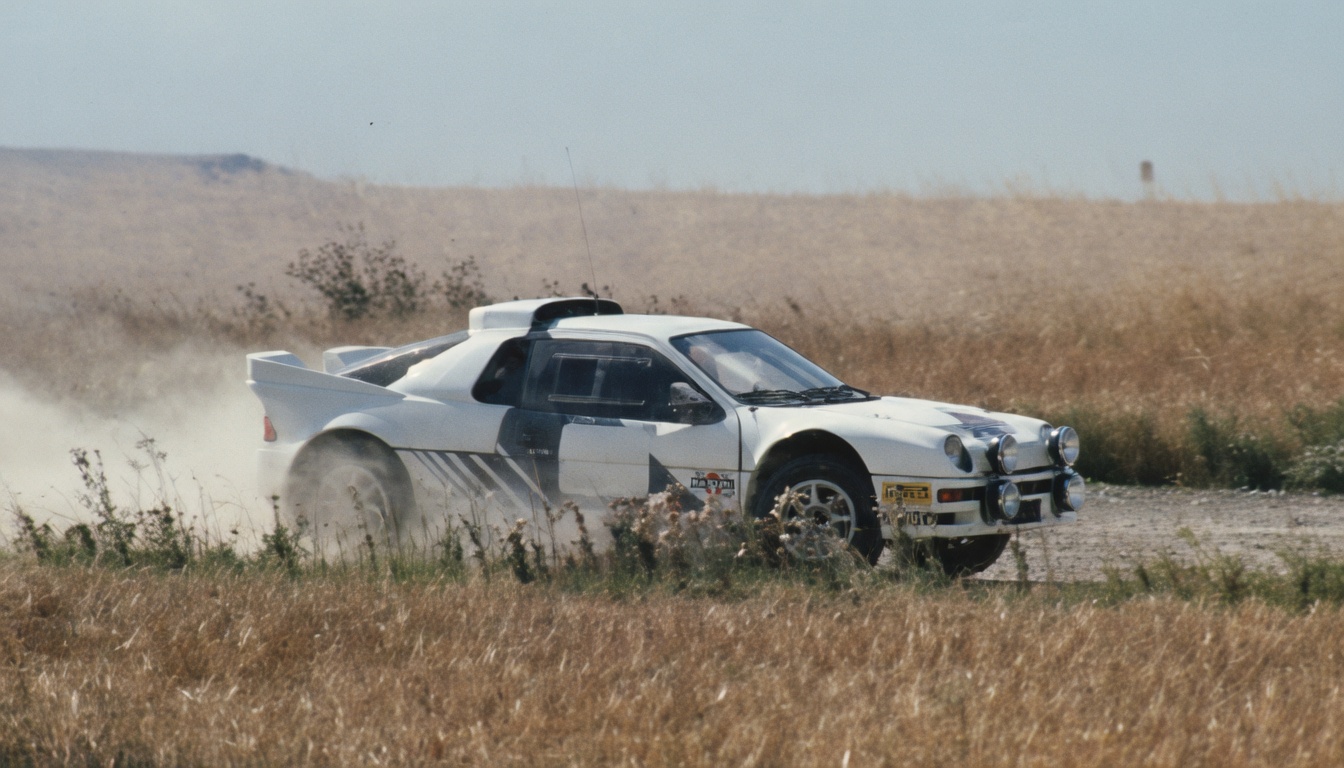
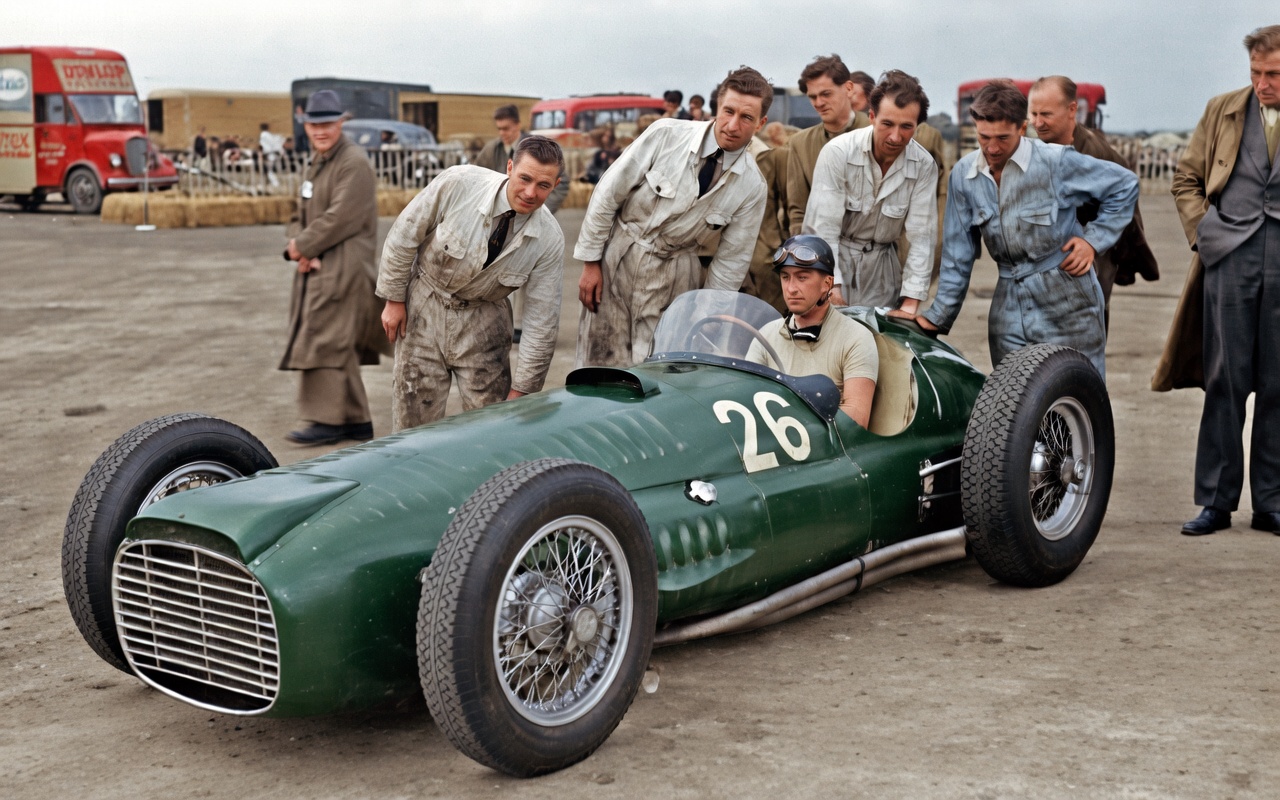
Post-war and into peacetime, if that contribution was not significant enough, the site was used as temporary accommodation for the homeless, as a motor racing circuit, a Ford facility, as well as a base for both the Air Ambulance and Essex Police Air Support Unit.
Can anywhere else have had such a varied use, offering such important contributions to so many occupations, yet gone unrecognised to the wider community?
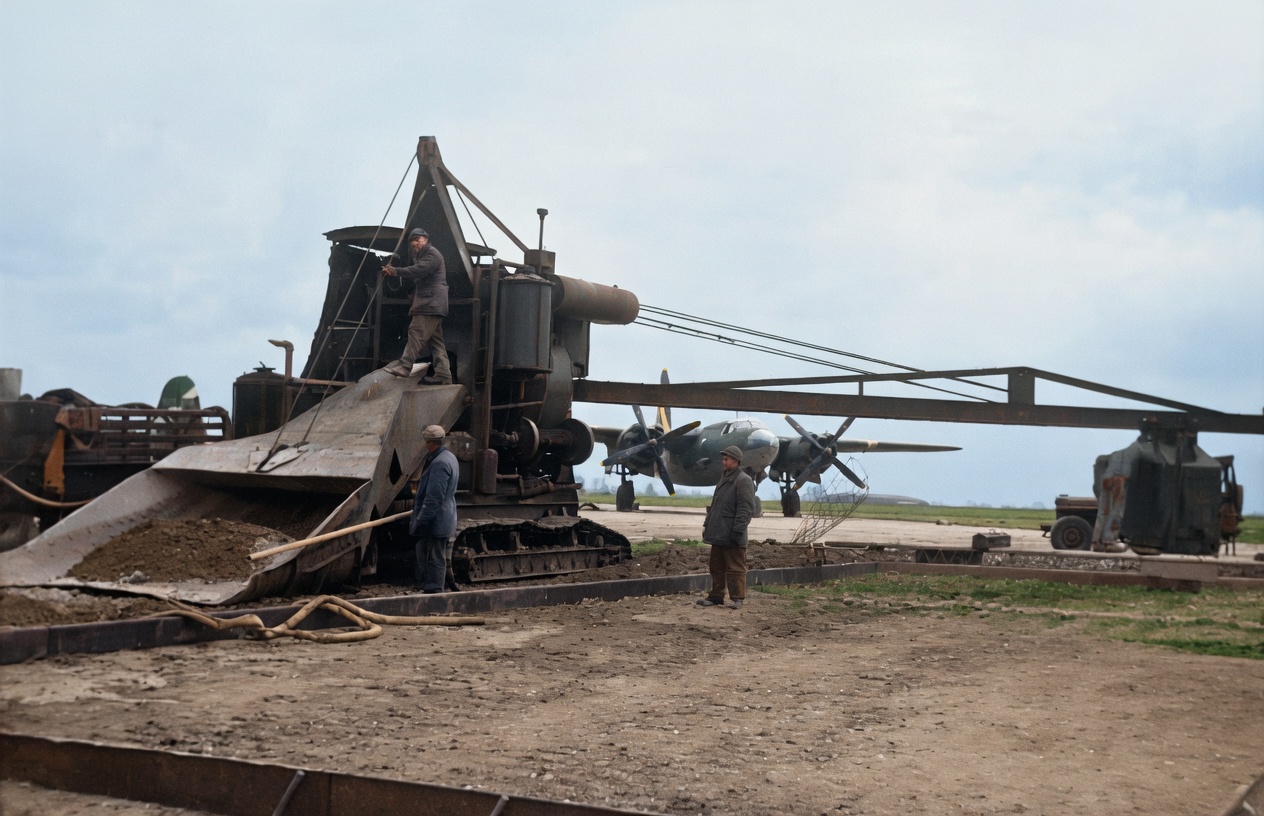
Despite all this history, the site has slowly disappeared through the tragic, systematic demolition of buildings and the extraction of gravel. Even the memorial to those brave aviators who made the ultimate sacrifice, situated along the Cranham Road is occasionally littered by fly tippers.
It is not too late to save the last vestiges of this key place. To preserve the sole remaining hanger and turn it into a place that can be enjoyed as a learning experience by locals and tourists alike seems not only to be an important development in preserving our area’s heritage, but a potentially economically viable visitor attraction.
It must also surely be morally the right thing to do, otherwise the sacrifice and memories will be forgotten forever – brushed away by a generation that has enjoyed peace and freedom thanks to those aviators.
In this time of often confusing priorities, please get behind this project for the benefit of our generations to come and make it a permanent reality.